


When considering the installation or replacement of a flat roof, one of the most important questions that arises is: how long will it last? The life expectancy of a flat roof depends on several factors, including the materials used, the quality of installation, and the level of maintenance provided over the years.
In this article, we will delve into these factors to give you a clearer understanding of what you can expect from your flat roof, enabling you to make informed decisions that ensure longevity and efficiency.
Why Lifespan Matters
Understanding the lifespan of a flat roof is crucial for homeowners and commercial property managers alike. By gaining insight into the various aspects affecting a flat roof’s longevity, you can better plan for future maintenance and budget for any necessary repairs or replacements. This knowledge can also assist you in selecting the most suitable materials and contractors for your specific needs, ultimately leading to a more durable and cost-effective roofing solution.
Benefits and Challenges of Flat Roofs
Flat roofs are a popular choice for commercial buildings and modern residential homes due to their sleek appearance and space-saving design. Unlike traditional sloped roofs, flat roofs have a minimal slope, which can present unique challenges in terms of drainage and weather protection. This architectural style is particularly favored for its versatility, allowing for the creation of additional usable space, such as rooftop gardens, patios, or even solar panel installations.
However, the flat design also demands more rigorous attention to detail in terms of installation and maintenance to prevent common issues such as water pooling and leaks.
Common Flat Roofing Materials and Their Lifespan
There are several types of materials commonly used for flat roofs, and each has its own advantages and life expectancy. Understanding these materials can help you make an informed decision when it comes to installation or replacement. The choice of material impacts not only the initial cost but also long-term maintenance expenses and energy efficiency, making it a key consideration for property owners.
Built-Up Roofing (BUR)
Built-Up Roofing, often referred to as BUR, is one of the oldest and most reliable flat roofing materials. It consists of layers of bitumen and reinforcing fabrics to create a durable barrier. BUR can last anywhere from 15 to 30 years, depending largely on the quality of installation and maintenance practices. The multiple layers provide excellent protection against harsh weather conditions, making BUR a popular choice for buildings in regions with extreme climates.
Modified Bitumen
Modified Bitumen is an evolution of BUR, featuring layers of bitumen with added polymers for enhanced flexibility and durability. This material typically lasts 20 to 25 years and is known for its excellent resistance to harsh weather conditions. The added polymers allow the roofing material to expand and contract with temperature fluctuations, reducing the risk of cracking and leaks.
EPDM (Rubber Roofing)
EPDM, commonly known as rubber roofing, is a synthetic material that offers excellent weather resistance and is relatively easy to install. With proper maintenance, an EPDM roof can last up to 30 years or more. Its elasticity and resistance to ultraviolet (UV) rays make it an ideal choice for regions with diverse climate conditions.
TPO (Thermoplastic Olefin)
TPO is a newer roofing material that combines the benefits of EPDM and PVC roofing. It is known for its energy efficiency and resistance to ultraviolet light. TPO roofs generally have a lifespan of 15 to 20 years. The material’s reflective surface helps reduce heat absorption, making it an excellent choice for energy-conscious property owners looking to lower cooling costs.
PVC Roofing
PVC roofing is another durable option, known for its strength and fire resistance. Although more expensive than other materials, a PVC roof can last 20 to 30 years with regular maintenance. Its inherent fire-retardant properties make it a preferred choice for buildings with stringent safety requirements. PVC roofing is also resistant to chemical exposure, making it suitable for industrial applications.
Factors That Affect the Life of a Flat Roof
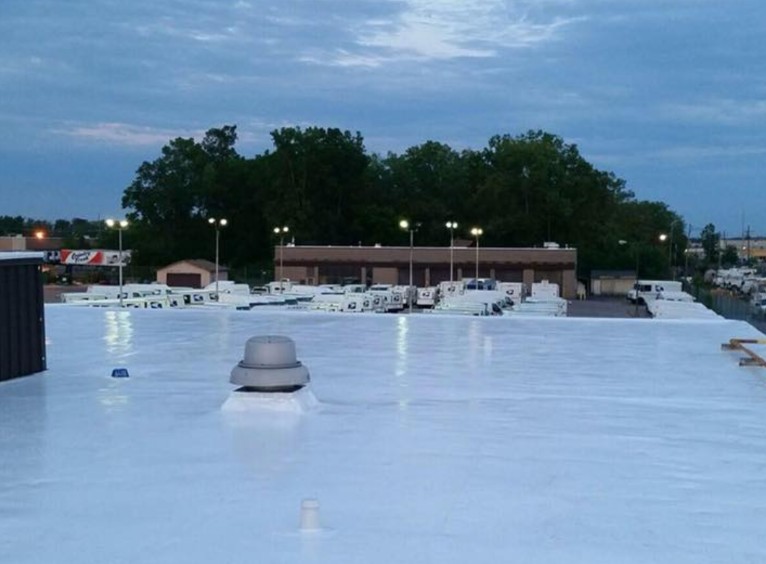
Several factors can impact how long your flat roof lasts. Understanding these elements can help you maximize the lifespan of your roof and plan for any necessary repairs or replacements. By taking proactive measures to address these factors, you can enhance the durability and performance of your flat roof, ensuring it provides reliable protection for your property. Below, we explore some of the key factors that influence the longevity of flat roofs.
Awareness and Strategy
Each factor plays a significant role in determining the overall lifespan of a flat roof. From the quality of installation to environmental conditions, being aware of these influences allows you to implement strategies that enhance the roof’s resilience. By focusing on these areas, you can minimize potential issues and extend the roof’s service life, ultimately protecting your investment.
Installation Quality
The initial installation of your flat roof is crucial to its longevity. A poorly installed roof can lead to issues like leaks and structural damage, significantly shortening its lifespan. It is essential to hire experienced and reputable contractors to ensure your roof is installed correctly. Proper installation involves not only the correct application of materials but also attention to details such as sealing seams and ensuring proper drainage.
Regular Maintenance
Flat roof maintenance plays a significant role in extending the life of your roof. Regular inspections and timely repairs can prevent minor issues from becoming major problems. Maintenance tasks may include clearing debris, checking for leaks, and ensuring that drainage systems are functioning properly. By addressing these areas, you can preserve the integrity of the roofing materials and prevent premature aging.
Climate Conditions
The climate in which you live can also affect the life expectancy of your flat roof. Extreme temperatures, heavy rainfall, and strong winds can all take a toll on roofing materials over time. In regions with harsh weather, more frequent maintenance may be necessary to keep the roof in good condition. Understanding the specific climate challenges your roof may face allows you to choose materials and strategies that enhance its resilience.
Foot Traffic and Usage
The amount of foot traffic and usage your roof experiences can also influence its lifespan. Roofs used as outdoor living spaces or for equipment storage may wear out more quickly than those with minimal traffic. Protecting the roof surface and limiting unnecessary access can help preserve its integrity. Installing walkways or protective mats can minimize wear and tear, reducing the risk of damage to the roofing material.
Tips to Maximize Flat Roof Lifespan
Conduct Regular Inspections
To ensure that your flat roof reaches its maximum potential lifespan, consider the following tips:
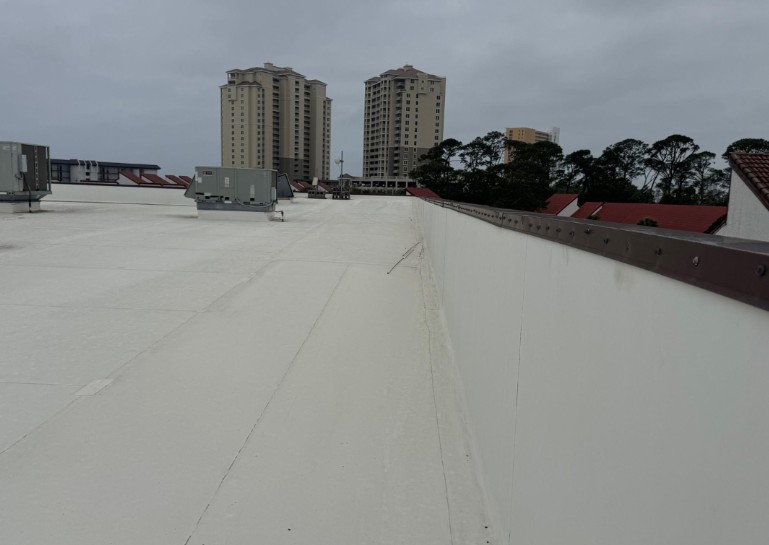
Conduct regular inspections to identify and address any issues early. Checking the roof at least twice a year, and after major weather events, can help catch problems before they escalate. Inspections should focus on identifying signs of wear, damage, or potential areas of concern, allowing for timely repairs and maintenance.
Make Prompt Repairs
If you notice any signs of damage, such as leaks, cracks, or pooling water, address them promptly. Delaying repairs can lead to more extensive damage and reduce the overall lifespan of your roof. Prompt attention to repair needs can prevent minor issues from developing into costly problems that compromise the roof’s integrity.
Keep It Clean
Remove debris such as leaves, branches, and dirt from the roof surface regularly. Debris can trap moisture and lead to mold growth or deterioration of roofing materials. Keeping the roof clean helps prevent these issues, preserving the roof’s integrity and appearance.
Maintain Drainage Systems
Proper drainage is essential for flat roofs. Ensure that gutters and downspouts are clear of blockages and functioning correctly to prevent water buildup. Regularly checking and maintaining the drainage system can help avoid water-related damage and extend the roof’s lifespan.
Conclusion
The lifespan of a flat roof depends on factors like the materials chosen, the quality of installation, and ongoing maintenance. Understanding these elements helps you make smart decisions that extend your roof’s life and protect your property. Regular upkeep and timely repairs, including expert flat roof repair, are essential to keep your roof performing well for years.
By being proactive about maintenance and working with experienced professionals, you can avoid costly problems and ensure your flat roof delivers reliable protection. If you’re in Atlanta and need flat roof repair or installation services, contact the experts at The Cool Roofing Company. Our team is ready to provide quality workmanship, thorough inspections, and trusted repairs to keep your roof in top condition and safeguard your investment.