


When it comes to maintaining the integrity of your home or commercial building, regular roof inspections are crucial. Whether you’re a homeowner or a business owner, understanding what goes into a thorough roof inspection can save you time, money, and stress down the line.
In this guide, we’ll explore the key components of a roof inspection and what you should expect from a professional roofing contractor. Knowing what to look for not only helps you make informed decisions but also ensures that you can communicate effectively with roofing professionals.
What is a Roof Inspection?
A roof inspection is more than a cursory glance at your roof’s surface. It involves a thorough assessment of various components that contribute to the roof’s overall performance. Professional roofing contractors possess the expertise and tools needed to identify potential issues that may not be visible to the untrained eye. By understanding the detailed process and expectations of a roof inspection, property owners can better appreciate the value of professional maintenance and ensure their roofs stand the test of time.
Why Roof Inspections Matter
Roofs are exposed to various weather conditions, from scorching sun and heavy rain to snow and strong winds. Over time, these elements can take a toll on your roof, potentially leading to leaks, structural damage, or even a complete roof failure. Regular inspections help catch small issues before they escalate into major problems, ensuring the longevity and safety of your roof.
Beyond the physical damage, neglecting regular roof inspections can also result in financial setbacks. The cost of repairing a severely damaged roof can be substantial, especially if the damage affects other parts of the building. By conducting regular inspections, property owners can budget for minor repairs and maintenance, thereby avoiding unexpected expenses.
Differences Between Residential and Commercial Roof Inspections
Residential Roof Inspections
While the core principles of roof inspections are similar, there are distinct differences between residential and commercial roof inspections. Residential roofs often have steep slopes and are made of materials like asphalt shingles. Residential inspections typically focus on shingle condition and attic ventilation, whereas commercial roofs require a more detailed examination of flat roofing materials and drainage systems. Each roof type also has unique wear patterns and potential problem areas, which an experienced inspector will be able to identify and address effectively.
For homes, a roof inspection typically involves examining the condition of shingles, checking for leaks, and assessing the roof’s overall structure. Inspectors will also look at the attic space to ensure there are no signs of moisture or mold. The attic plays a crucial role in the roof’s health, as poor ventilation and insulation can lead to moisture buildup and increased energy costs.
Inspectors will also evaluate the condition of the roof’s flashing, which is critical in preventing water penetration. They may also check for signs of pest infestation, which can cause significant damage if left unchecked. By paying attention to these details, homeowners can maintain a comfortable and energy-efficient living environment while protecting their investment.
Commercial Roof Inspections
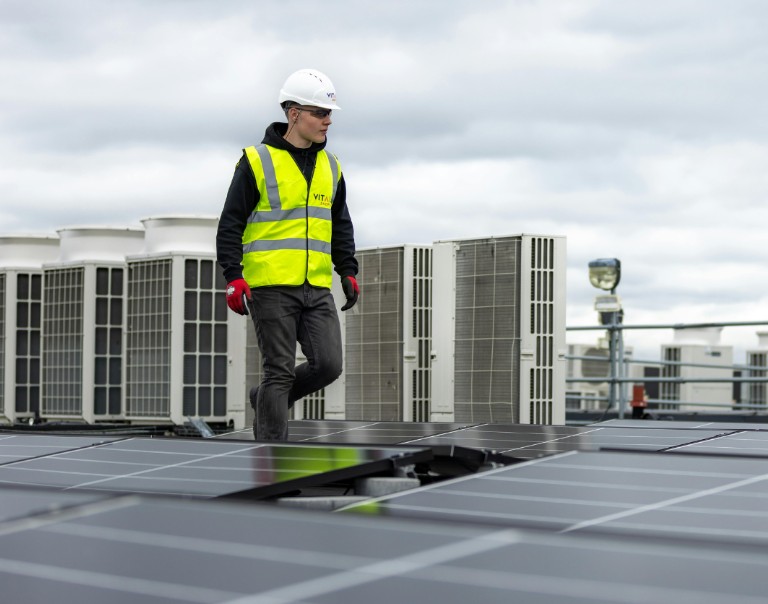
Commercial roof inspections focus on the flat roofing materials, drainage systems, and any rooftop equipment. Because commercial roofs are often larger and flatter, inspectors pay close attention to seams, flashings, and any areas prone to water pooling. Proper drainage is vital for these roofs to prevent water damage and ensure the longevity of the roofing material.
Inspectors will also assess the condition of rooftop equipment, such as HVAC units, which can impact the roof’s integrity if improperly installed or maintained. The inspection may include checking for signs of wear around these units and ensuring that they are securely mounted. By addressing these potential issues, business owners can avoid costly repairs and disruptions to their operations.
Key Components of a Roof Inspection
Shingles or Roofing Material
Inspectors will look for missing, cracked, or curling shingles. For commercial roofs, they’ll check for punctures or blisters in the membrane. The condition of these materials directly affects the roof’s ability to shed water and protect the building.
Flashing
Flashing seals the edges of your roof and prevents water from seeping in. Inspectors ensure it’s not rusted, missing, or damaged. Proper flashing is crucial for preventing leaks, especially around roof penetrations like chimneys and vents.
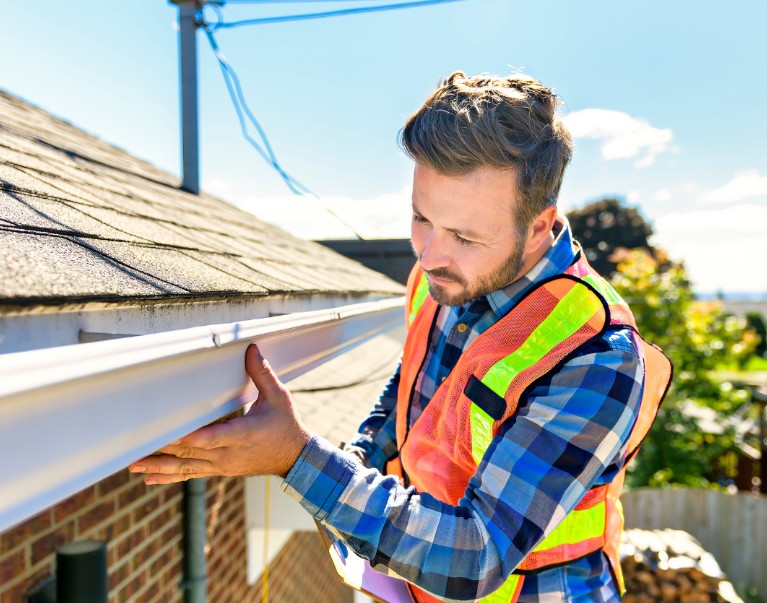
Gutters and Downspouts
Proper drainage is essential to prevent water damage. Inspectors will check for clogs and ensure water flows away from the structure. Blocked gutters can lead to water overflow and damage to the building’s foundation and landscaping.
Soffit, Fascia, and Eaves
These components protect the edges of your roof. Inspectors will check for signs of rot, damage, or pest infestation. Well-maintained soffits and fascia contribute to the roof’s overall aesthetic appeal and functionality.
Chimney and Skylights
Any protrusions through the roof need to be sealed correctly. Inspectors will examine the flashing and seals around chimneys and skylights. Improper sealing can lead to leaks and water damage within the building.
Interior Roof Inspection
Attic Inspection
Inspectors will enter the attic to check for signs of moisture, mold, and proper ventilation. The attic’s condition can provide insights into the roof’s overall health and energy efficiency.
Insulation
Proper insulation prevents heat loss and protects against moisture buildup. Inspectors ensure it’s in good condition and adequately installed. Good insulation contributes to lower energy bills and a more comfortable indoor environment.
Ventilation
Proper airflow prevents moisture accumulation and extends the roof’s lifespan. Inspectors ensure vents are unobstructed and functioning correctly. Adequate ventilation is essential for regulating attic temperature and preventing ice dams in colder climates.
Special Considerations for Commercial Roofs
Roof Membrane
Inspectors will check for any tears, punctures, or worn areas in the membrane. The membrane is a critical component in protecting the building from water infiltration.
Seams and Flashings
These are critical points for potential leaks. Inspectors ensure they are intact and sealed properly. Properly sealed seams and flashings are essential for preventing water intrusion and maintaining the roof’s integrity.
Roof Equipment
Many commercial roofs have HVAC units or other equipment. Inspectors will check the seals and supports for these items. Ensuring the equipment is properly installed and maintained can prevent damage to the roof and the equipment itself.
Roof Maintenance Tips
Schedule Regular Inspections
Have a professional inspect your roof at least once a year, and after any major storm. Regular inspections help identify minor issues before they become major problems.
Clean Gutters and Downspouts
Ensure your gutters are clear of debris to promote proper drainage. Clean gutters prevent water damage and help maintain the building’s structural integrity.
Trim Trees
Limbs that hang over your roof can damage shingles and introduce moisture. Keeping trees trimmed reduces the risk of damage and extends the roof’s lifespan.
Address Minor Repairs Promptly
Small issues can quickly become big problems. Don’t delay in fixing minor roof damage. Prompt repairs save money and prevent further damage to your property.
Conclusion
Regular roof inspections are a crucial part of maintaining both residential and commercial properties. By knowing what to expect during an inspection and partnering with a qualified roofing contractor, you can keep your roof in excellent shape and avoid surprises later. A little routine care goes a long way in protecting your investment and maintaining the comfort and safety of your home or business.
If you’re in the Blue Ridge area and need a professional roof inspection, The Cool Roofing Company is here to help. Our team provides detailed assessments and honest recommendations to help you stay ahead of repairs and extend the life of your roof. Contact us today to schedule your inspection and keep your roof performing at its best.